What Is a Concealed Cistern and How Does It Work?
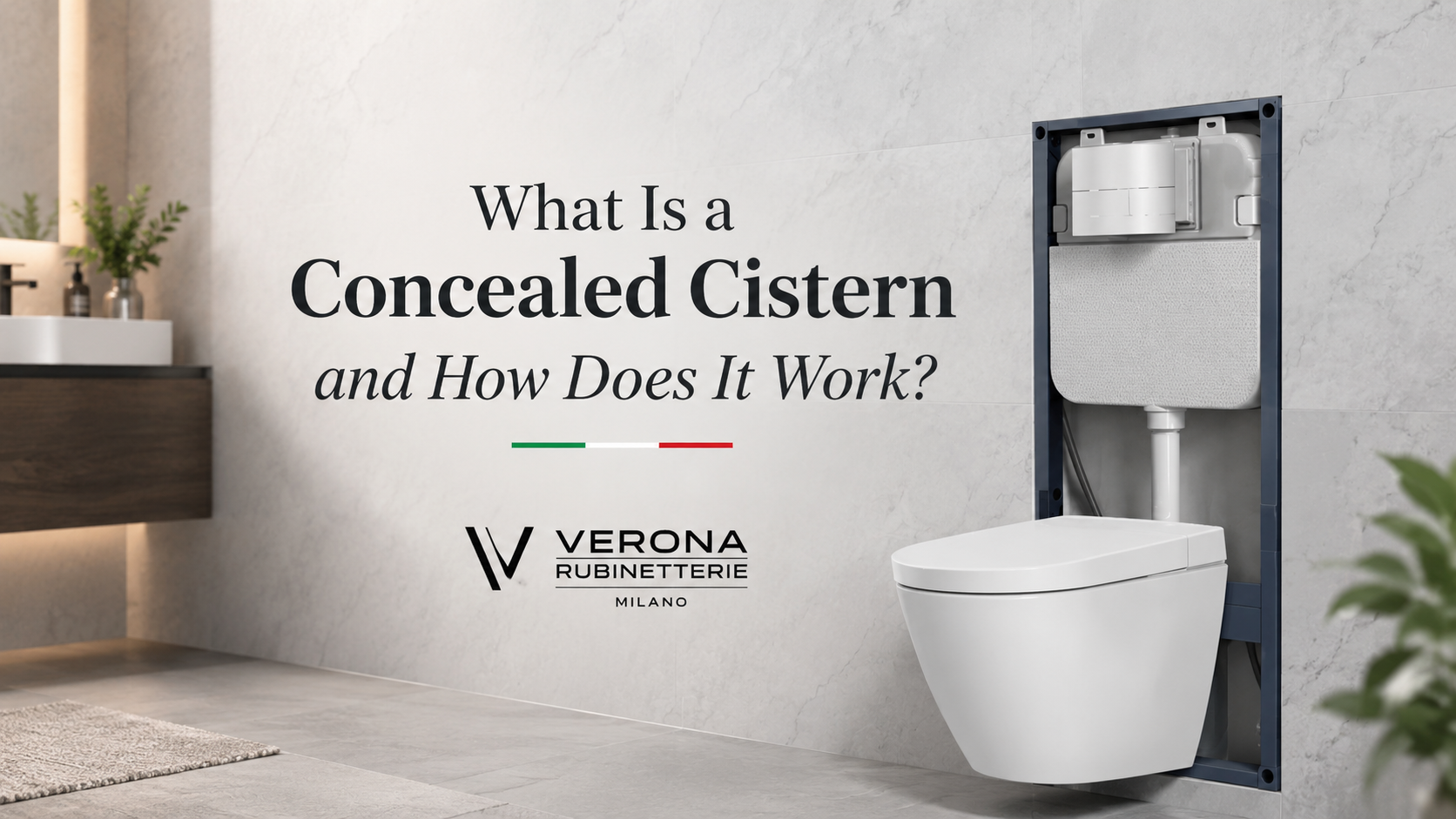
A modern bathroom is not only about beautiful finishes; it is also about choosing practical solutions that make everyday use easier. One feature commonly found in contemporary bathrooms is a concealed cistern. It hides the toilet tank behind the wall, leaving the toilet and flush plate visible for a cleaner, more streamlined appearance.
If you are planning a bathroom renovation or designing a new home in Dubai, Abu Dhabi or elsewhere in the UAE, understanding how a concealed cistern works can help you make a more informed decision. This guide explains its main components, flushing mechanism, benefits and important considerations before installation.
What Is a Concealed Cistern?
A concealed cistern is a toilet flushing tank installed behind a wall, inside a suitable wall cavity or within a purpose-built installation structure. Unlike a traditional toilet tank that remains visible, the concealed design keeps most of the flushing mechanism out of sight.
Once installed, the main visible elements are usually the toilet pan and the toilet flush plate. Depending on the system, a concealed cistern can be used with a wall-hung toilet or a compatible back-to-wall toilet.
This arrangement is popular in modern bathrooms because it creates a neat appearance and makes it easier to coordinate the toilet area with the rest of the interior design.
A concealed cistern is often paired with a wall hung toilet to create a clean, modern bathroom look. By keeping the cistern hidden behind the wall, this combination creates a more open appearance and makes the floor easier to clean. It is a practical choice for contemporary bathrooms where space, style and functionality are equally important.
How Does a Concealed Cistern Work?
A concealed cistern works on the same basic principle as a conventional toilet cistern. It stores water and releases it into the toilet bowl when the flush is activated. The main difference is that the tank and its internal components are hidden behind the finished wall.
Here is how the process works:
- The tank fills with water: Water enters the cistern through an inlet valve.
- The water level is controlled: A fill mechanism stops the incoming water when the tank reaches its set level.
- The flush plate is pressed: The user activates the flushing mechanism using the appropriate button.
- Water enters the toilet bowl: The flush valve opens, releasing stored water into the bowl to carry waste into the drainage system.
- The cistern refills: After flushing, the valve closes and the tank begins filling again for the next use.
The exact mechanism depends on the cistern model. Some systems use mechanical connections, while others use different actuation methods. Always follow the manufacturer’s installation and operating instructions.
What Are the Main Parts of a Concealed Cistern System?
A concealed cistern installation involves several components that need to work together.
1. Concealed Flush Tank
The concealed flush tank stores the water needed for flushing. It is fitted behind the wall or inside a suitable installation structure, keeping the toilet area visually uncluttered.
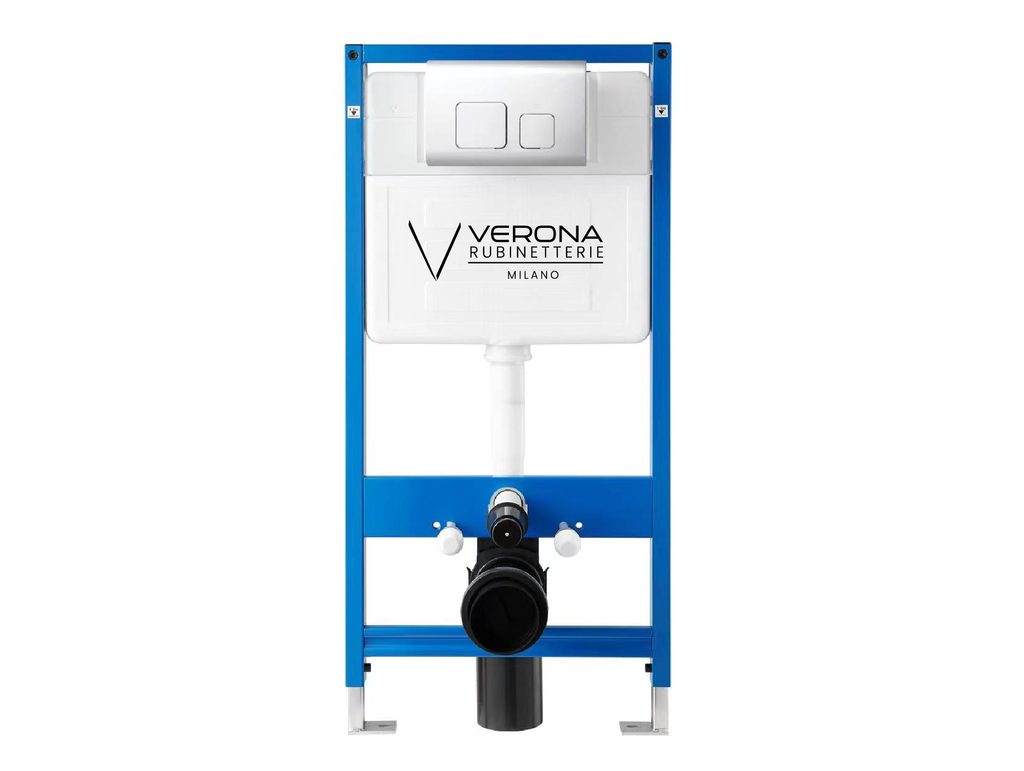
Explore the Verona Rubinetterie Concealed Flush Tank collection to see the available options.
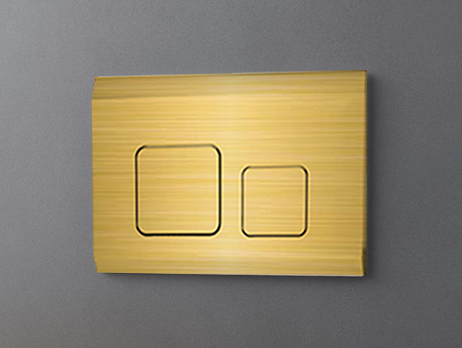
2. Toilet Flush Plate
The toilet flush plate is the visible control used to activate the flush. Its design can influence the overall appearance of the toilet area, making it an important detail in a modern bathroom.
Verona Rubinetterie offers a dedicated Dual Flush Plates collection for exploring flush plate options.
3. Flush and Fill Mechanisms
The fill mechanism controls the water entering the tank, while the flush mechanism releases water when the user activates the flush. These internal parts are essential for reliable operation.
4. Support Frame and Installation Structure
Some concealed cistern systems use a support frame, particularly when designed for a wall-hung toilet. The frame and its fixings must be suitable for the selected toilet and the wall construction. Not every concealed cistern uses the same frame arrangement.
What Is a Dual Flush Toilet?
A dual flush toilet offers two flushing options: a reduced flush and a full flush. The smaller flush is generally intended for liquid waste, while the larger flush is used when more water is needed.
Choosing the smaller flush when appropriate can help reduce water consumption over time. However, actual savings depend on the system’s flush volumes, the toilet’s design and how it is used.
A dual flush toilet is commonly operated through a toilet flush plate with two buttons or two distinct activation areas. The plate must be compatible with the concealed cistern and its flushing mechanism.
For households and hospitality projects in the UAE, water efficiency is a useful consideration when selecting bathroom products. Check the product specifications and local requirements before choosing a system.
What Is the Difference Between a Concealed Cistern and a Traditional Cistern?
Both systems store water and release it to flush a toilet, but their installation and appearance are different.
- Concealed cistern: Installed behind a wall or inside a suitable structure, leaving fewer components visible.
- Traditional exposed cistern: Remains visible and is generally easier to inspect directly.
- Concealed cistern maintenance: Often carried out through a designated access opening, commonly behind the flush plate, depending on the model.
- Installation planning: Concealed systems need careful preparation before the wall is finished, while exposed cisterns are usually more straightforward to access after installation.
The right choice depends on your bathroom layout, renovation plans, budget and preferred design.
What Are the Benefits of a Concealed Cistern?
A Clean, Modern Appearance
Hiding the toilet tank creates a more streamlined look. This works particularly well with contemporary interiors, neutral colour palettes and minimalist bathroom designs.
Better Use of Visual Space
A concealed cistern reduces the amount of visible equipment around the toilet. When paired with a suitable wall-hung toilet, it can also leave the floor beneath the pan clear.
Easier Everyday Cleaning
A wall-hung toilet can make it easier to clean the floor underneath. The actual cleaning benefits depend on the selected toilet and installation layout.
Flexible Design Choices
A coordinated toilet flush plate can complement other bathroom finishes and help maintain a consistent design throughout the space.
Potential Water Savings
When a compatible dual flush system is used correctly, the reduced-flush option can help limit unnecessary water use. Savings are not guaranteed and depend on the system and household habits.
Is a Concealed Cistern Suitable for Your Bathroom?
A concealed cistern can be a suitable choice for new builds and substantial bathroom renovations, particularly when the layout has been planned before the walls are finished.
Before selecting one, consider the following:
- Available wall space: Confirm that the chosen system fits the wall or installation structure.
- Toilet compatibility: Make sure the cistern, frame where required, toilet pan and flush plate are designed to work together.
- Maintenance access: Ensure the internal mechanisms can be reached for servicing according to the manufacturer’s instructions.
- Water supply and drainage: Ask a qualified installer to check the connections and installation requirements.
- Budget and project timing: Include the cistern, compatible components, installation work and finishing costs in your plan.
For UAE homes, apartments, villas and hospitality projects, these checks are particularly important when coordinating plumbing with tiles, cabinetry and other bathroom finishes.
How Do You Maintain a Concealed Cistern?
Although most of the tank is hidden, routine checks can help keep the system working properly.
- Look for continuous water running into the toilet bowl.
- Pay attention to unusual flushing sounds or a cistern that takes longer than normal to refill.
- Keep the flush plate and its access area unobstructed.
- Arrange professional inspection if the flush becomes weak or a leak is suspected.
- Use compatible replacement parts and follow the manufacturer’s maintenance instructions.
In many systems, the flush plate provides access to internal components, so a repair may not require removing the finished wall. However, the access method varies by model.
Frequently Asked Questions About Concealed Cisterns
What is a concealed cistern used for?
A concealed cistern stores and releases water for toilet flushing while remaining hidden behind a wall or within a suitable installation structure.
How does a concealed cistern work?
Water enters the tank through a fill valve. When the flush is activated, a valve releases the stored water into the toilet bowl. The tank then refills for the next flush.
What is a dual flush toilet?
A dual flush toilet provides two flushing options, usually a reduced flush and a full flush. Using the reduced option when appropriate can help conserve water.
What is a toilet flush plate?
A toilet flush plate is the visible button or panel used to activate the flushing mechanism of a concealed cistern. It must be compatible with the selected cistern system.
Can a concealed cistern be repaired without removing tiles?
In many systems, internal components can be accessed through the opening behind the flush plate. The repair method depends on the product design and the type of fault.
Is a concealed cistern suitable for a small bathroom?
It can be a good option when the wall structure, plumbing and toilet layout allow it. A suitable wall-hung toilet may also leave the floor beneath it clear, helping the room feel less crowded.
Does every wall-hung toilet need a concealed cistern?
Wall-hung toilets generally use a concealed cistern and a suitable support frame or mounting system. Always confirm compatibility between the toilet, cistern and installation structure.
Explore Concealed Cistern Solutions by Verona Rubinetterie
Choosing the right concealed cistern involves more than hiding the toilet tank. The flushing mechanism, compatible flush plate, installation structure and maintenance access all contribute to a practical bathroom solution.
Verona Rubinetterie offers bathroom products that bring together Italian design and everyday functionality. Explore our collection to discover concealed flush tanks and dual flush plates for your bathroom project.
Visit the Luxury Italian Bathroom Accessories website to explore our wider range of bathroom solutions and find inspiration for modern, well-coordinated spaces.